Cuisine guideUpdated
Italian Cuisine Mastery: Essential Techniques & Recipes
Master authentic Italian cooking with our guide to traditional techniques, key ingredients, and classic recipes. Start your Italian culinary journey today.
What Makes Italian Cuisine Special
Italian cuisine is celebrated worldwide for its philosophy of simplicity, quality, and respect for ingredients. Rather than masking flavours with heavy sauces, Italian cooking highlights the natural taste of fresh produce, quality olive oil, and carefully sourced proteins. This approach has shaped a culinary tradition spanning centuries, where each region develops its own distinctive style—from the seafood-forward dishes of coastal Sicily to the rich, meat-based recipes of Lombardy.
The foundation of Italian cooking rests on several key techniques that home cooks can master. Soffritto—the gentle sautéing of onions, celery, and carrot—builds a flavourful base for countless dishes. Slow cooking and braising transform tough cuts into tender, succulent meals, while pasta-making remains both an art and a practical skill passed through generations. What unites these techniques is patience: Italian cooks understand that great food cannot be rushed.
Beyond technique, Italian meals celebrate family, tradition, and the seasons. Meals are leisurely affairs meant for connection, and recipes evolve with what's available locally and fresh. This cultural approach to eating—viewing food as nourishment and joy rather than mere sustenance—is at the heart of why Italian cuisine resonates globally.
Got a Italian recipe in a different language or using cups instead of grams?
KitchenConvert converts any recipe — units, servings, and language — in seconds. Free to try.
Try it free →Essential Ingredients
- Extra virgin olive oil – The liquid gold of Italian cooking; use quality oil for finishing dishes and dressings
- San Marzano tomatoes – Sweet, low-acid canned tomatoes ideal for sauces and simmered dishes
- Parmigiano-Reggiano – A hard, aged cheese with complex nutty flavours; always grate fresh
- Fresh basil – Aromatic herb essential for pestos, pasta dishes, and tomato-based recipes
- Garlic and onions – Flavour-building aromatics that form the backbone of many sauces
- Risotto rice (Arborio or Carnaroli) – Short-grain varieties release starch to create creamy textures
- Dried pasta – Durum wheat pasta holds sauces better than fresh for many traditional dishes
- Balsamic vinegar – Aged vinegar with deep, complex sweetness for glazes and reductions
- Fresh mozzarella – Delicate, milky cheese perfect for salads, pizza, and pasta dishes
- Prosciutto – Dry-cured ham adding salty, savoury depth to many Italian recipes
Tips for Success
Use fewer, quality ingredients. Italian cooking isn't about complexity—it's about showcasing the best ingredients you can find. A simple pasta with excellent olive oil, fresh garlic, and quality tomatoes outshines an overcomplicated dish made with mediocre components.
Taste as you cook. Develop your palate by regularly tasting your food during preparation. Season gradually and balance acidity with salt and fat to achieve depth of flavour.
Don't overcook your pasta. Al dente (with a slight bite) is non-negotiable in Italian cooking. Reserve pasta water before draining—its starch helps emulsify sauces and bind flavours together.
Invest in proper equipment. A sharp knife, heavy-bottomed pan, and wooden spoon are essentials. Quality tools make cooking more enjoyable and produce better results.
Embrace seasonal eating. Italian cuisine thrives on seasonal produce. Spring brings asparagus and peas, summer offers tomatoes and basil, autumn features mushrooms and squash, and winter showcases hardy greens and root vegetables.
Featured Recipes
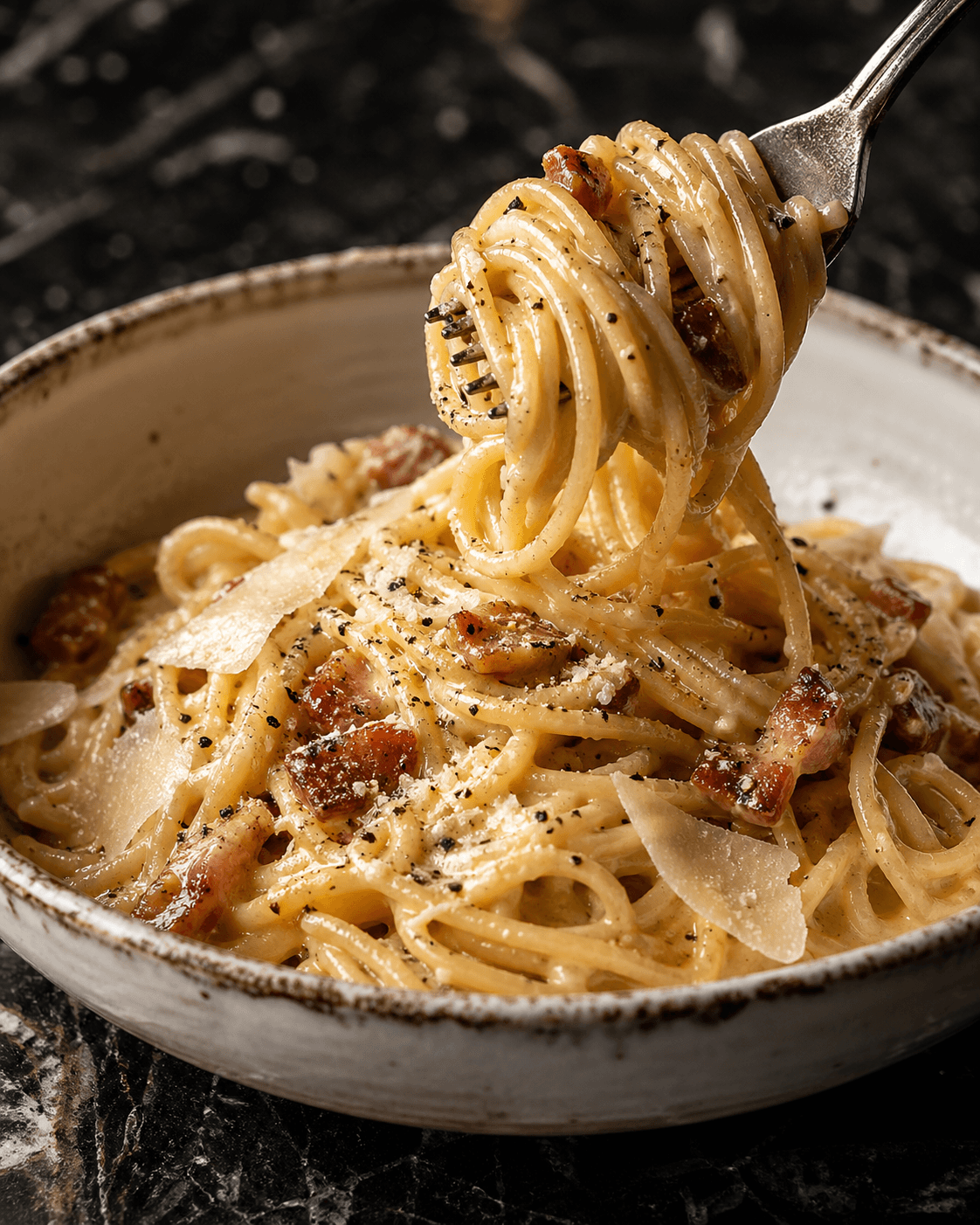
When exploring Italian cooking, two dishes deserve a place in every home cook's repertoire. Spaghetti Carbonara is the quintessential Roman pasta dish—a masterclass in simplicity and technique. With just eggs, cheese, guanciale, and black pepper, this creamy pasta teaches you how to build richness without cream and perfectly balance salty, savoury flavours. It's ideal for weeknight dinners and serves four hungry diners.
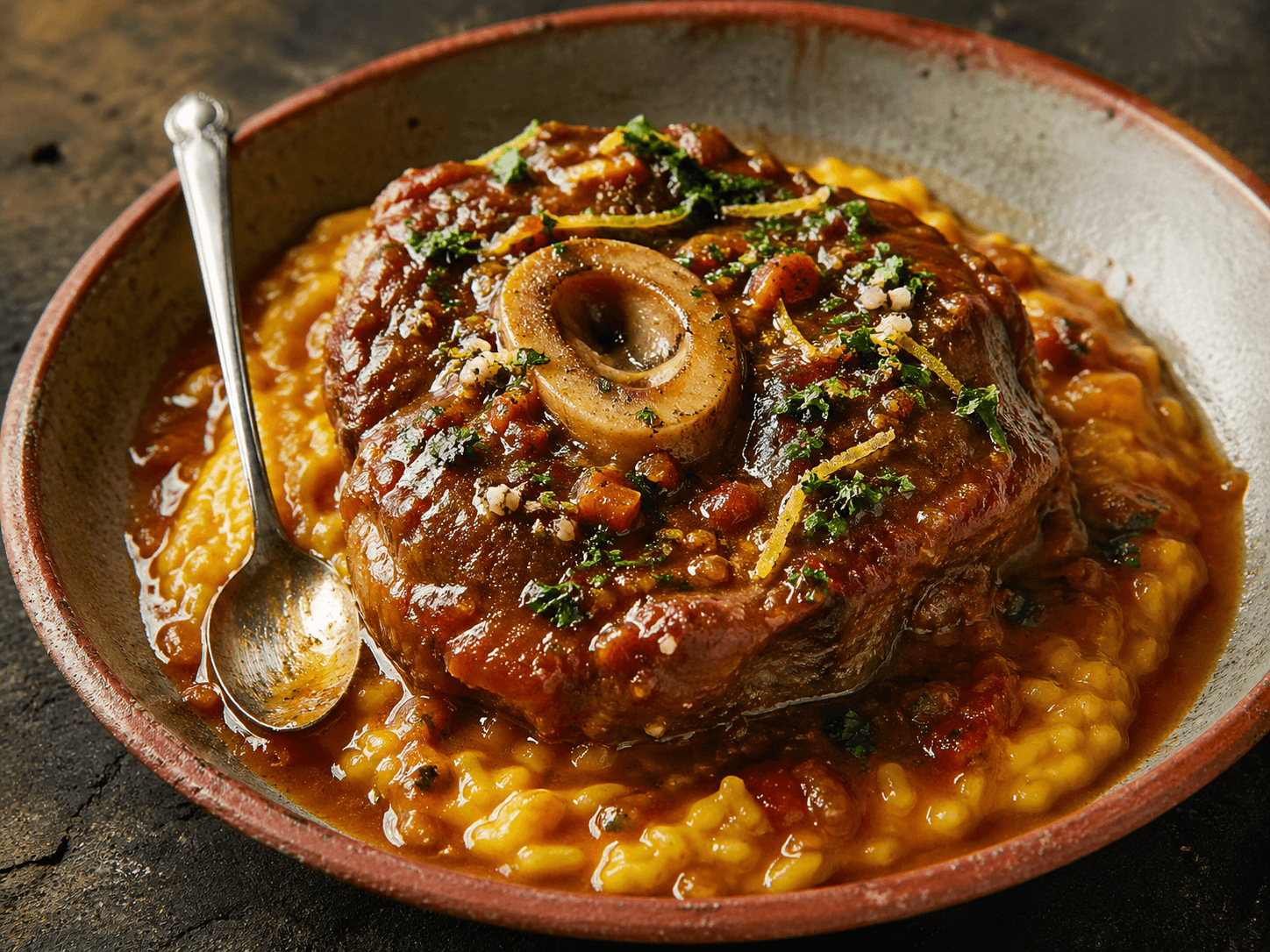
For a more elaborate occasion, Italian Osso Buco alla Milanese showcases the art of slow cooking and braising. This Lombardian classic features braised veal shanks that become fall-apart tender, infused with wine, stock, and aromatics. Served with a fragrant gremolata (lemon, garlic, and parsley), this showstopping dish proves that patient cooking creates unforgettable meals. Both recipes embody the Italian philosophy of honouring quality ingredients and time-honoured techniques.
Questions
Frequently asked questions
What's the difference between Italian cooking styles by region?
Can I substitute ingredients in traditional Italian recipes?
How do I make pasta water work as a sauce thickener?
What's the best way to store fresh herbs and preserve them for cooking?
Explore more cuisines
Found a Italian cuisine recipe you want to cook?
Paste the URL or photo — KitchenConvert converts the units, scales the servings, and tells you what to substitute if you're missing an ingredient.
Convert this recipe free →