Cooking guideUpdated
One-Pan Recipes: Global Flavours, Minimal Cleanup
Master one-pan recipes from around the world. Discover flavour-packed dishes that save time and effort. Explore our collection now.
What Makes One-Pan Recipes Special
One-pan cooking is more than a convenience—it's a culinary philosophy that celebrates depth of flavour built through layered technique and quality ingredients. When you cook everything in a single vessel, the aromatics, proteins, and starches share the same cooking environment, creating a harmonious blend of tastes that would be impossible to achieve separately. From the smoky depths of Spanish paella to the complex spice work of Indian biryani, one-pan dishes draw from centuries of tradition in cuisines where home cooks had limited resources but unlimited creativity.
The magic lies in understanding heat control, ingredient timing, and the science of steam and absorption. A well-executed one-pan dish isn't just efficient—it's thoughtfully composed, with each component enhancing the others. Whether you're building fond on the bottom of the pan or letting rice absorb fragrant stock, every step matters. These recipes teach you how to multitask without compromise, turning what could be a chaotic cooking experience into a meditative, focused process.
Got a one-pan recipe in a different language or using cups instead of grams?
KitchenConvert converts any recipe — units, servings, and language — in seconds. Free to try.
Try it free →Essential Ingredients
Successful one-pan cooking relies on a well-stocked pantry. Here are the staples that unlock global flavours:
- Good-quality stock (chicken, vegetable, or seafood)—the liquid foundation that builds flavour and cooks grains evenly
- Aromatic vegetables (onions, garlic, ginger)—the flavour base for nearly every cuisine
- Spices and spice pastes (cumin, paprika, garam masala, harissa)—concentrated flavour that deepens with cooking
- Ghee or quality oil—essential for toasting spices and building fond
- Long-grain rice or grains—the backbone of many one-pan dishes, absorbing liquid and flavours
- Fresh herbs (cilantro, parsley, mint)—brightness that balances rich, cooked elements
- Acidic elements (lime, lemon, vinegar)—crucial for lifting flavours and preventing heaviness
- Proteins (chicken, beef, seafood)—browned first to build depth through the Maillard reaction
Tips for Success
Brown your protein and aromatics first, even though everything cooks together. This step creates fond—the caramelised bits on the pan bottom—that add tremendous depth to your final dish.
Invest in a heavy-bottomed pan with good heat distribution. Whether it's a wide saucepan, cast iron, or dedicated paella pan, the vessel matters. Uneven heat leads to burnt corners and undercooked centres.
Follow liquid ratios religiously, especially when rice or grains are involved. Most recipes use a 2:1 liquid-to-grain ratio, but always check your specific recipe and adjust for altitude if you're cooking at elevation.
Resist the urge to stir constantly. Many one-pan dishes benefit from minimal disturbance, allowing the rice to form a slight crust on the bottom (called socarrat in paella—it's a feature, not a bug).
Featured Recipes
Our collection spans continents, showcasing how different cultures have perfected one-pan cooking. Start with Bibimbap, a Korean mixed rice bowl where vegetables, meat, and sauce come together in one bowl—it's customisable, nutritious, and teaches you about colour and balance. For something more celebratory, try Hyderabadi Chicken Biryani, an Indian masterpiece where basmati rice and tender chicken cook together in fragrant stock, creating a complete meal that feeds six.
If you love Spanish cuisine, Paella Valenciana is the quintessential one-pan showstopper—saffron-tinged rice with shellfish and vegetables, finished with that prized crispy bottom layer. For weeknight entertaining, Chicken Tinga Tacos brings Mexican comfort to your stovetop, with shredded chicken in a smoky, spiced sauce that can be prepped in one pan and served in tortillas.
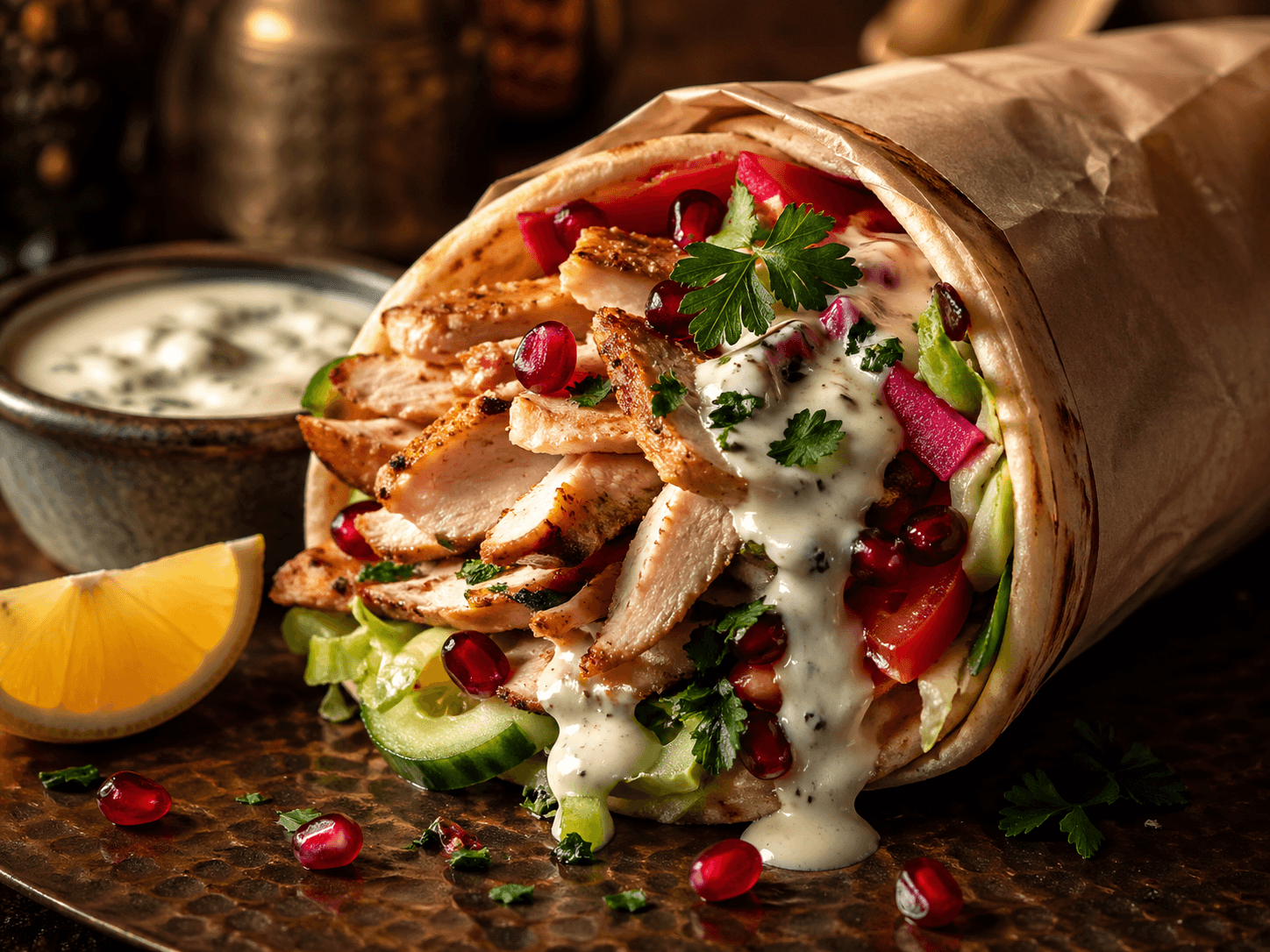
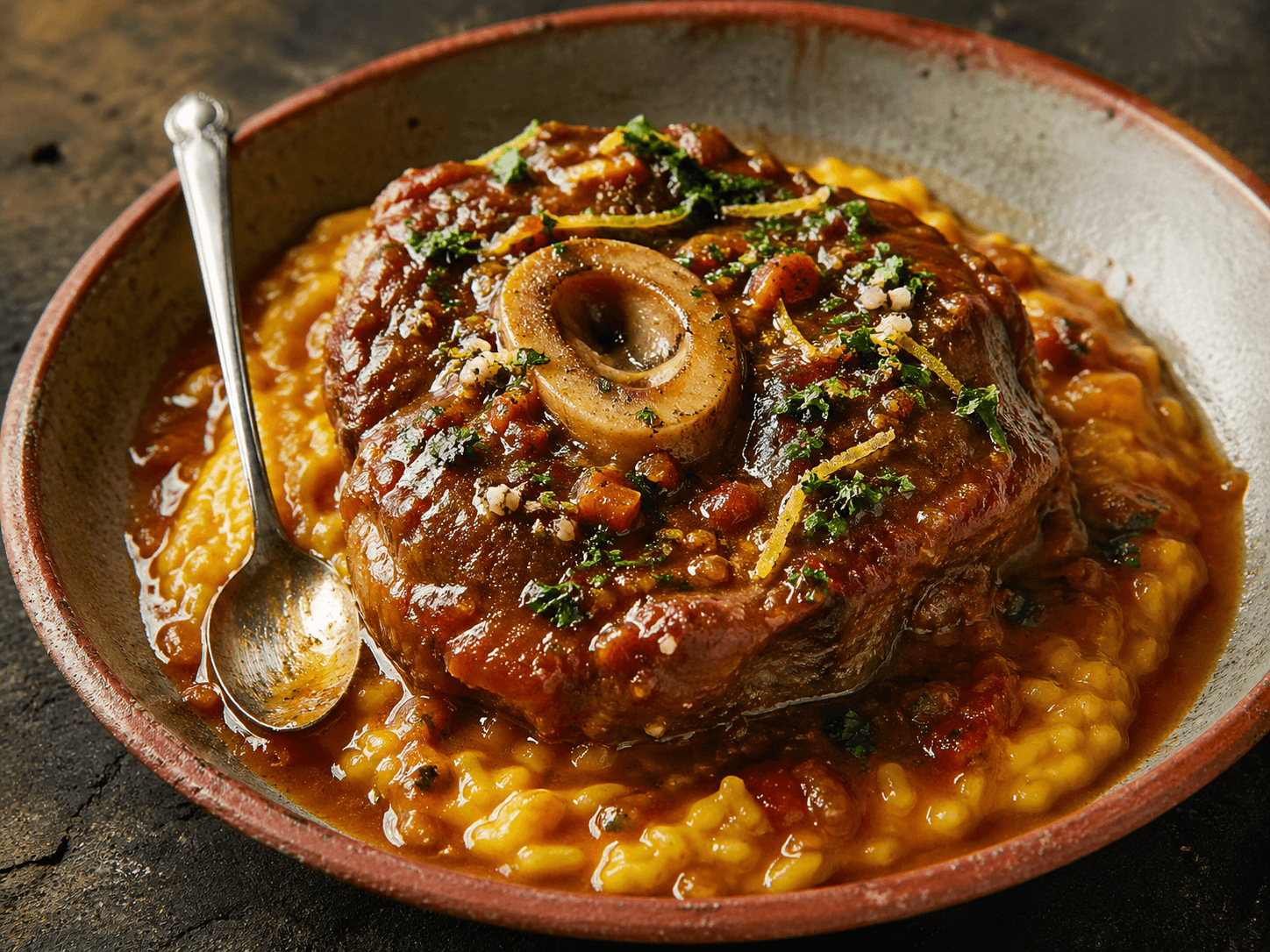
Looking to impress? Italian Osso Buco alla Milanese braises tender veal shanks in white wine and stock until fall-apart tender, creating a luxurious sauce without fussy plating. Finally, Chicken Shawarma brings Middle Eastern street food home—marinated chicken cooked with warm spices delivers restaurant-quality results from your own kitchen.
Each recipe teaches different techniques while delivering authentic, restaurant-quality flavours. Start with whichever cuisine calls to you, and soon you'll have the confidence to adapt these methods to your own ingredients and preferences.
Community recipes
one-pan recipes from our community


Questions
Frequently asked questions
Can I prepare one-pan recipes ahead of time?
What's the difference between a one-pan recipe and a one-pot recipe?
How do I prevent food from sticking in a one-pan recipe?
Can I substitute ingredients in one-pan recipes?
Found a one-pan recipe you want to cook?
Paste the URL or photo — KitchenConvert converts the units, scales the servings, and tells you what to substitute if you're missing an ingredient.
Convert this recipe free →