Cooking guideUpdated
Best Batch-Cooking Recipes for Meal Prep
Master batch-cooking with foolproof international recipes. Save time, reduce stress, and enjoy restaurant-quality meals all week long. Start here.
What Makes Batch-Cooking Recipes Special
Batch-cooking transforms your kitchen into an efficient meal-prep powerhouse, allowing you to prepare multiple servings of complex, flavour-rich dishes in one session. These recipes are specifically designed to develop deeper, more nuanced flavours when made in larger quantities—many benefit from extended cooking times that allow spices to fully infuse and ingredients to meld into harmonious combinations. Whether you're drawn to aromatic Indian spices, delicate Vietnamese broths, or rich French braises, batch-cooking recipes celebrate the authentic techniques that make international cuisine so rewarding.
What sets batch-cooking apart from everyday cooking is its strategic approach to time and flavour. When you're preparing a tagine or biryani for six people rather than two, the spices have more time to bloom, the meat becomes more tender, and the overall dish gains complexity. This isn't just convenient—it's genuinely better cooking. You'll find yourself investing in quality ingredients and traditional methods because the effort is spread across multiple meals, making premium ingredients far more economical.
Got a batch-cooking recipe in a different language or using cups instead of grams?
KitchenConvert converts any recipe — units, servings, and language — in seconds. Free to try.
Try it free →Essential Ingredients
- Whole spices (cinnamon, cardamom, cloves, cumin seeds) – bloom in oil to unlock full aromatic potential
- Preserved lemons or tamarind paste – add bright, complex acidity that develops over time
- Good-quality stock (chicken, beef, or vegetable) – the foundation for depth in any braise or soup
- Ghee or clarified butter – essential for tempering spices and achieving authentic flavour
- Fresh herbs (coriander, mint, parsley) – brighten rich dishes and add finishing freshness
- Onions, garlic, and ginger – the aromatic base that anchors every great batch-cooking recipe
- Dried chillies or chilli powder – layer heat and complexity rather than simple spice
- Bay leaves and thyme – classic additions that improve with slow cooking
Tips for Success
Invest in proper storage containers. Batch-cooked meals need to transition seamlessly from stovetop to fridge to table. Quality glass or stainless-steel containers with tight-fitting lids will keep your food fresher longer and make reheating easier.
Don't skip the spice-blooming step. Whether you're starting a Moroccan tagine or Indian biryani, toasting whole spices in ghee or oil before adding other ingredients is non-negotiable. This single technique elevates your batch-cooking from good to exceptional.
Cool completely before refrigerating. Allowing your batch-cooked dish to reach room temperature prevents condensation from diluting flavours and creating food safety issues. Plan ahead and give your cooking at least an hour to cool.
Layer flavours throughout cooking. Rather than adding all aromatics at once, introduce spices in stages. This creates a more complex, layered flavour profile that tastes even better after a day or two in the fridge.
Featured Recipes
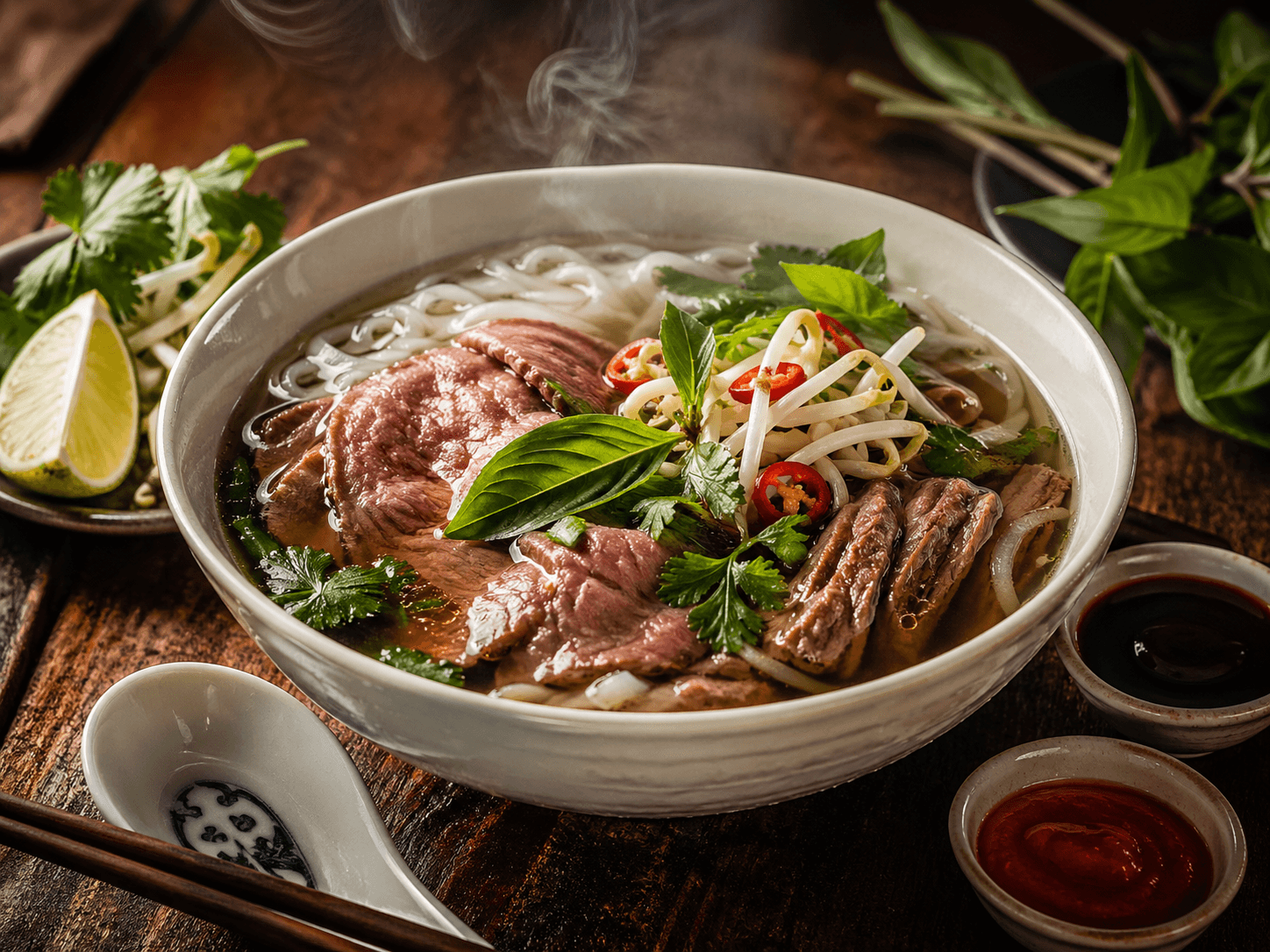
Our collection of batch-cooking recipes spans the globe's most beloved flavour traditions. Start with Hyderabadi Chicken Biryani, a legendary Indian rice dish that's virtually made for batch-cooking—the extended cooking time allows the basmati rice and tender chicken to absorb the fragrant spice-infused ghee, creating something truly special. If you prefer lighter, broth-based dishes, Phở Bò delivers Vietnamese beef noodle soup complexity that rewards patient simmering; the broth deepens and improves as it rests.
For those seeking North African warmth, Chicken Tagine with Preserved Lemons and Olives showcases Moroccan cooking at its finest—sweet and savoury notes dance together while the preserved lemons add a sophisticated tang that develops beautifully over multiple meals. Finally, embrace classic French technique with Coq au Vin, a rustic burgundy braise that's endlessly forgiving and genuinely improves after sitting overnight. Each recipe serves 4–6 people, making them perfect for batch-cooking your week ahead with confidence and flavour.
Questions
Frequently asked questions
How long can I store batch-cooked meals in the fridge?
Can I freeze batch-cooked recipes?
What's the best way to reheat batch-cooked food?
Do batch-cooked recipes taste different on day three versus day one?
Found a batch-cooking recipe you want to cook?
Paste the URL or photo — KitchenConvert converts the units, scales the servings, and tells you what to substitute if you're missing an ingredient.
Convert this recipe free →