Cuisine guideUpdated
Vietnamese Cuisine: Master Authentic Flavours at Home
Discover Vietnamese cuisine's balance of flavours and master authentic recipes. Learn essential ingredients and techniques to elevate your cooking.
What Makes Vietnamese Cuisine Special
Vietnamese cuisine is celebrated worldwide for its remarkable balance of sweet, sour, salty, and spicy flavours, all working in harmonious symphony on every plate. Unlike many Asian cuisines that lean heavily on oil or cream, Vietnamese cooking prioritises fresh herbs, vibrant vegetables, and delicate broths that let each ingredient shine. The cooking philosophy centres on freshness and simplicity—minimal fuss, maximum flavour—making it an ideal choice for home cooks seeking restaurant-quality results without hours in the kitchen.
At its heart, Vietnamese food reflects centuries of cultural exchange along ancient trade routes, blending Chinese wok techniques with French culinary influences and indigenous Southeast Asian ingredients. This unique fusion creates a cuisine that feels simultaneously familiar and exotic. Whether it's the aromatic depth of a slow-simmered broth or the crisp texture of fresh spring rolls, Vietnamese dishes showcase a deep understanding of balance and restraint.
The cooking techniques are surprisingly accessible to Western home cooks. Steaming, grilling, stir-frying, and simmering form the backbone of most recipes, requiring nothing more than standard kitchen equipment. What sets Vietnamese cooking apart is the emphasis on building layers of flavour through quality ingredients and proper seasoning, rather than complicated procedures.
Got a Vietnamese recipe in a different language or using cups instead of grams?
KitchenConvert converts any recipe — units, servings, and language — in seconds. Free to try.
Try it free →Essential Ingredients
- Fish sauce (nước mắm): The umami backbone of Vietnamese cooking; use sparingly for depth
- Lime juice: Provides brightness and acidity; always freshly squeezed when possible
- Fresh mint and coriander: Aromatic herbs added at the end for vibrant, fresh notes
- Chilli peppers: Red and green varieties bring heat; adjust to your tolerance
- Rice noodles: Delicate and versatile; available fresh or dried in most supermarkets
- Garlic and ginger: Foundational aromatics for building base flavours
- Coconut milk: Optional but essential for certain curries and desserts
- Vietnamese cinnamon: Warmer and sweeter than cassia; transforms broths and braises
- Rice vinegar: Adds subtle sourness without overpowering dishes
- Shallots: Milder than onions; often used for both flavour and garnish
Tips for Success
Start with quality broth. The foundation of Vietnamese cooking is often a well-made stock or broth. Invest time in simmering bones and aromatics for depth; a good broth elevates everything built upon it.
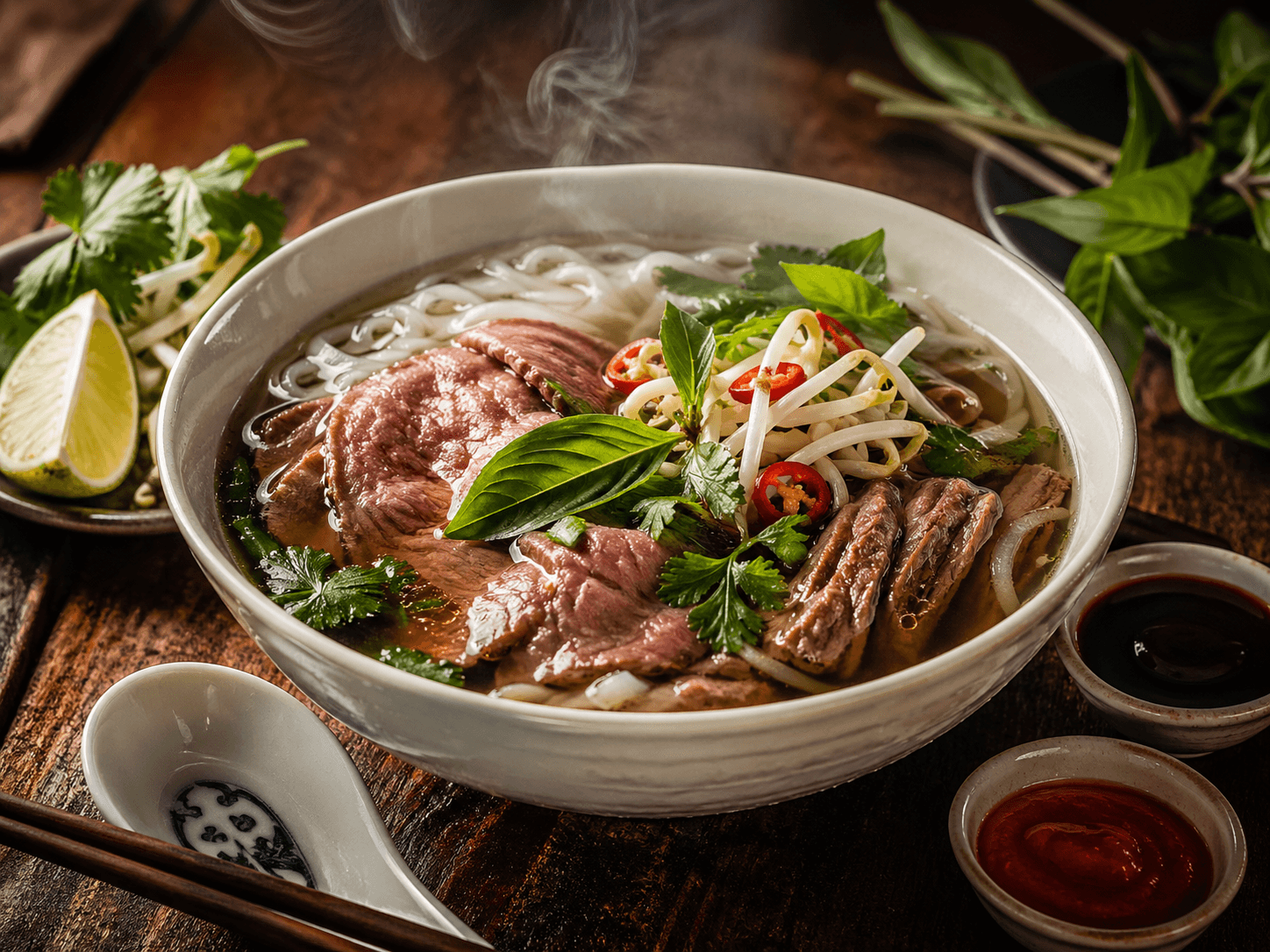
Embrace fresh herbs and garnishes. Vietnamese cuisine relies on adding herbs at the table rather than during cooking. Set out small bowls of fresh mint, coriander, and lime wedges so diners can customise their dish to taste.
Balance your seasoning in layers. Rather than adding all salt and acid at once, taste and adjust throughout cooking. This prevents oversalting and creates more nuanced flavours.
Don't skip the fish sauce. It may smell pungent on its own, but fish sauce is the secret ingredient that adds savoury depth—use it judiciously in broths, dressings, and dipping sauces.
Prep all ingredients before cooking. Vietnamese cooking often happens quickly once you start. Having everything chopped, measured, and ready means you'll finish with fresh, properly cooked vegetables rather than overcooked ones.
Featured Recipes
No exploration of Vietnamese cuisine is complete without trying Phở Bò, the iconic Vietnamese beef noodle soup that's become a global comfort food. This aromatic broth—infused with star anise, cinnamon, and charred onion—simmers gently for hours to develop its signature flavour. Served with tender beef and delicate rice noodles, Phở Bò is both deeply satisfying and light, making it perfect for any season. It's the ideal entry point for home cooks wanting to understand how Vietnamese cooking builds complex flavour from simple, quality ingredients.
When you're ready to cook, start with Phở Bò and experience how patience and technique transform basic pantry staples into something truly special. Once you've mastered the broth, you'll have the confidence to explore other Vietnamese classics.
Community recipes
Vietnamese cuisine recipes from our community
Questions
Frequently asked questions
What is the difference between Vietnamese and Thai cuisine?
Can I make Vietnamese recipes vegetarian or vegan?
What's the best substitute for fish sauce if I don't have it?
How long does Vietnamese broth keep in the fridge or freezer?
Explore more cuisines
Found a Vietnamese cuisine recipe you want to cook?
Paste the URL or photo — KitchenConvert converts the units, scales the servings, and tells you what to substitute if you're missing an ingredient.
Convert this recipe free →