Cuisine guideUpdated
Middle Eastern Cuisine: Unlock Bold Flavours at Home
Discover authentic Middle Eastern cuisine with vibrant spices and time-honoured techniques. Learn essentials and master signature dishes today.
What Makes Middle Eastern Cuisine Special
Middle Eastern cuisine is a celebration of bold, layered flavours built on centuries of culinary tradition. This diverse region stretches from the Levant to the Persian Gulf, yet shares a common philosophy: using high-quality ingredients—fresh herbs, warm spices, and time-honoured cooking methods—to create dishes that nourish both body and soul. The flavour profile is distinctly aromatic, balancing savoury, tangy, and slightly sweet notes in ways that feel both exotic and deeply comforting.
What sets Middle Eastern cooking apart is its emphasis on technique and patience. Many iconic dishes, like slow-roasted meats and hand-rolled pastries, demand skill and attention. The cuisine also reflects the region's geography: coastal areas favour seafood and preserved lemons, while inland communities rely on dried fruits, nuts, and grains. Spices like cumin, coriander, sumac, and za'atar are foundational, but they're layered thoughtfully rather than overpowering the dish.
Culturally, Middle Eastern food is inseparable from hospitality. Meals are communal, designed to be shared, and often prepared with love for family and guests. This spirit of generosity translates into home cooking—you'll find recipes passed down through generations, each family adding their own subtle twist.
Got a Middle Eastern recipe in a different language or using cups instead of grams?
KitchenConvert converts any recipe — units, servings, and language — in seconds. Free to try.
Try it free →Essential Ingredients
- Sumac – Tangy, lemony spice that brightens dishes without acidity
- Za'atar – Herbaceous blend of thyme, sesame, and sumac; essential for breads and salads
- Tahini – Sesame seed paste; the base for hummus and creamy dressings
- Pomegranate molasses – Concentrated, tart condiment that adds depth to meat and vegetable dishes
- Ghee – Clarified butter prized for its rich flavour and high smoke point
- Cumin and coriander seeds – Warm, earthy spices that anchor savoury cooking
- Fresh mint and parsley – Bright herbs used generously as garnish and in salads
- Chickpeas and lentils – Protein-rich legumes central to vegetarian dishes
- Rose water and orange blossom water – Floral essences for desserts and special dishes
- Preserved lemons – Intensely flavoured condiment that adds complexity to tagines and rice dishes
Tips for Success
Toast Your Spices. Warming whole spices in a dry pan for just 30 seconds before grinding or adding to dishes unlocks their essential oils and deepens their flavour. This single step elevates your cooking dramatically.
Embrace Acidic Balance. Middle Eastern cooking relies on lemon juice, pomegranate molasses, or vinegar to brighten heavy dishes. Taste as you cook and adjust acidity to cut through rich fats and spices.
Prep Ingredients in Advance. Many dishes require multiple components—toasted nuts, fried onions, fresh herbs, spice blends. Having everything ready before you start cooking ensures you can focus on technique and timing.
Use High Heat for Meats. Whether grilling shawarma-style or pan-searing, get your cooking surface very hot. This creates flavourful caramelisation on the outside while keeping interiors tender and juicy.
Don't Rush the Aromatics. Slowly cooking onions, garlic, and spices in ghee or oil creates a fragrant base that carries the entire dish. This foundational step deserves time and attention.
Featured Recipes
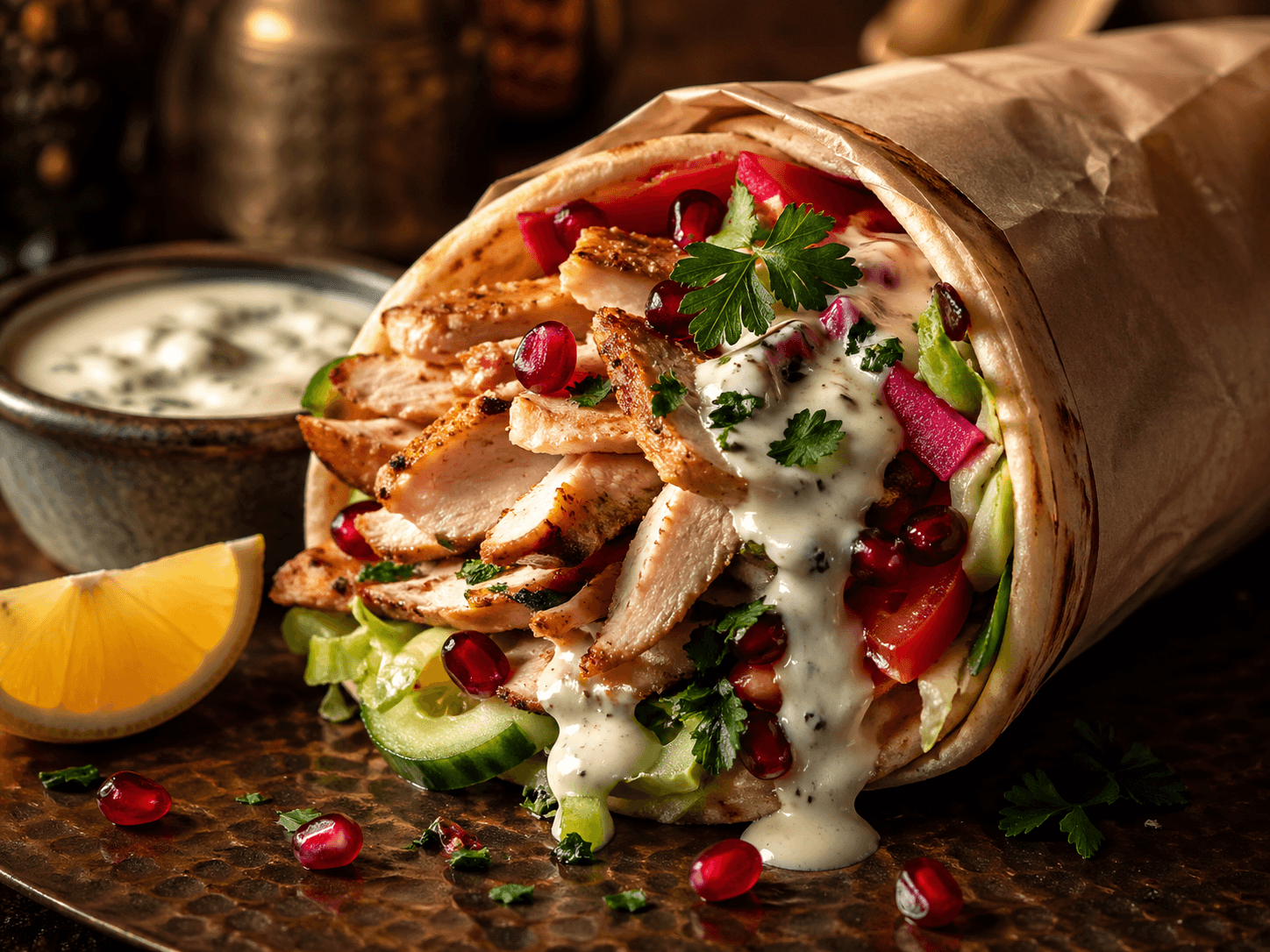
One of the most beloved Middle Eastern dishes is Chicken Shawarma, a smoky, spiced marvel that's easier to make at home than you'd expect. This recipe captures the essence of street food elegance—tender chicken marinated in warming spices, then cooked until edges char and caramelise. Served warm in flatbread with tahini sauce and pickled vegetables, it's a complete meal that impresses every time.
Whether you're cooking for weeknight dinner or entertaining guests, Middle Eastern cuisine offers dishes that feel both approachable and restaurant-quality. Start with one recipe, master the techniques, then build your repertoire. Each dish you learn opens doors to understanding a rich culinary tradition.
Community recipes
Middle Eastern cuisine recipes from our community
Questions
Frequently asked questions
What are the most important spices in Middle Eastern cooking?
Can I make Middle Eastern recipes without special ingredients?
How do I store fresh herbs and preserve them longer?
What's the best way to cook Middle Eastern meat dishes?
Found a Middle Eastern cuisine recipe you want to cook?
Paste the URL or photo — KitchenConvert converts the units, scales the servings, and tells you what to substitute if you're missing an ingredient.
Convert this recipe free →