Cuisine guideUpdated
Chinese Cuisine: Master Authentic Flavours at Home
Discover Chinese cuisine essentials, techniques, and authentic recipes. Learn to create restaurant-quality dishes in your own kitchen.
What Makes Chinese Cuisine Special
Chinese cuisine represents one of the world's most sophisticated and ancient culinary traditions, spanning thousands of years of refined technique and cultural evolution. At its heart lies a philosophy of balance—balancing flavours (sweet, sour, salty, bitter, and umami), textures (crispy, tender, chewy), and colours to create harmony on the plate. This isn't merely about taste; it's about creating an experience that engages all the senses and promotes wellbeing.
The foundation of Chinese cooking rests on five core flavour profiles: the sweetness of caramelised sauces, the tanginess of vinegar and citrus, the saltiness that enhances depth, the subtle bitterness of certain vegetables, and the rich umami from fermented ingredients like soy sauce and oyster sauce. These elements work together to create complex, layered dishes that feel both comforting and exciting. Wok cooking—the signature technique—allows ingredients to stay crispy whilst absorbing flavours, all in a matter of minutes.
Cultural significance runs deep throughout Chinese cooking. Meals are communal affairs, with dishes shared family-style around a table, symbolising unity and togetherness. Seasonal ingredients, regional variations, and symbolic foods (like noodles for longevity) all reflect a cuisine intrinsically connected to tradition, philosophy, and celebration.
Got a Chinese recipe in a different language or using cups instead of grams?
KitchenConvert converts any recipe — units, servings, and language — in seconds. Free to try.
Try it free →Essential Ingredients
- Soy Sauce – The backbone of flavour; use both light and dark varieties for depth
- Oyster Sauce – Adds umami richness and subtle sweetness to stir-fries
- Sesame Oil – Aromatic finishing oil with distinctive nutty flavour
- Rice Vinegar – Provides brightness and acidity to balance rich dishes
- Garlic & Ginger – Foundational aromatics that build flavour layers
- Cornstarch – Essential for velveting proteins and thickening sauces
- Shaoxing Wine – Adds depth; dry sherry works as a substitute
- White Pepper – Milder than black pepper, traditional in Asian cooking
- Star Anise – Warm spice with subtle liquorice notes for braised dishes
- Chilli Paste – Brings heat and complexity; adjust to taste preference
Tips for Success
Prep Everything First – Chinese cooking moves fast. Slice, chop, and measure all ingredients before heat touches the wok. This mise en place approach prevents overcooking and ensures even cooking.
Master Your Heat – High heat is your friend, but only when ingredients are ready. A properly heated wok seals vegetables and proteins quickly, locking in flavour and texture.
Embrace Layering – Don't dump all seasonings in at once. Build flavours progressively: cook aromatics, add protein, incorporate vegetables, then finish with sauce. Each step develops complexity.
Balance Your Dish – Taste as you cook. Adjust salt, acid, and sweetness to achieve harmony. A squeeze of vinegar can brighten a heavy sauce; a touch of sugar can round sharp edges.
Invest in a Good Wok – A carbon steel or cast-iron wok distributes heat evenly and develops seasoning over time, improving flavour with every use.
Featured Recipes
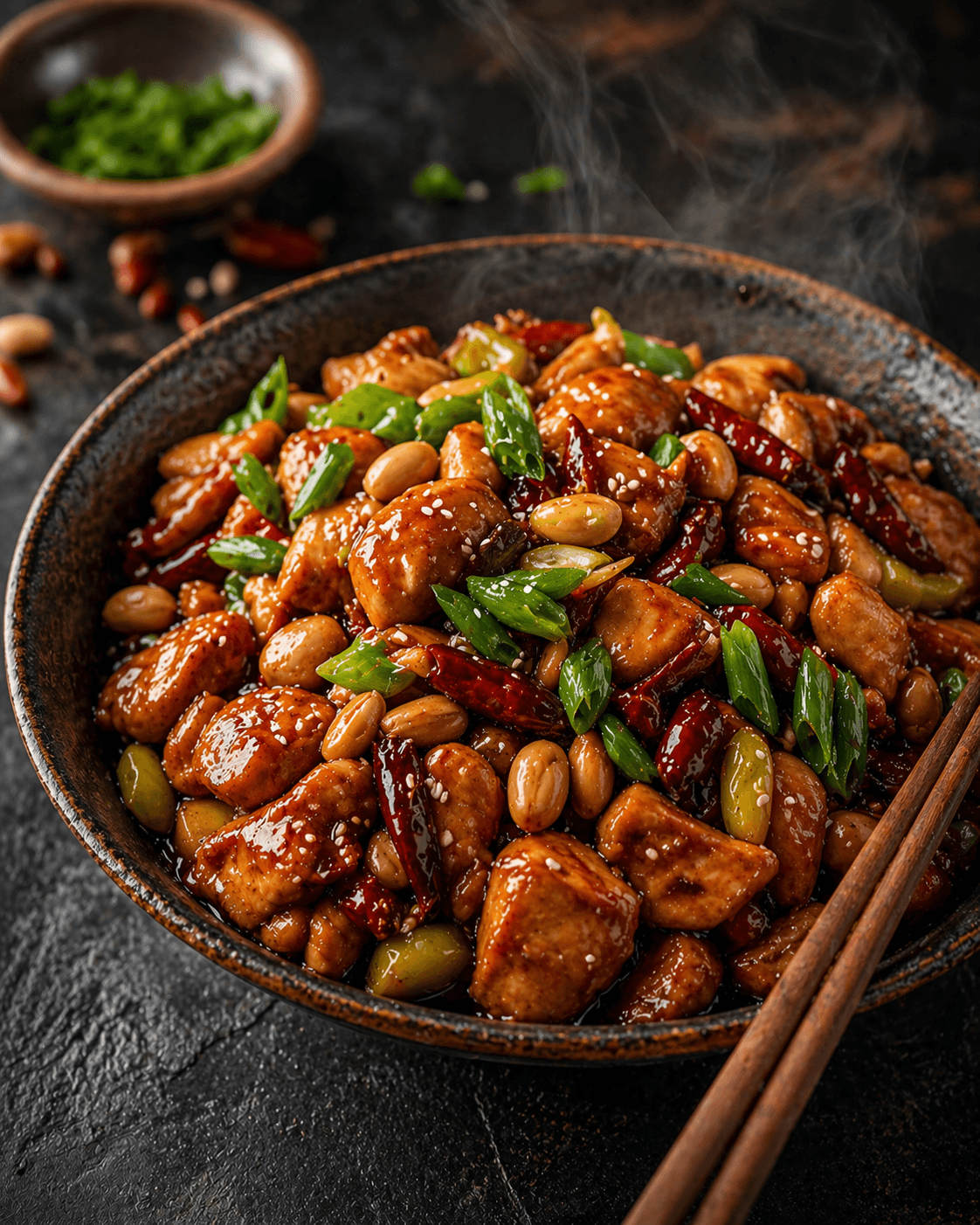
Starting your Chinese cooking journey at home becomes achievable with accessible recipes that deliver authentic results. Kung Pao Chicken is the perfect gateway into wok cooking, combining tender chicken, roasted peanuts, and a glossy sauce that balances heat, sweetness, and tang. This classic serves four people and teaches fundamental techniques: velveting the protein for silkiness, timing your vegetables for perfect crunch, and building a sauce that clings beautifully to each ingredient.
This recipe exemplifies why Chinese cuisine captivates home cooks everywhere. You'll experience the satisfying sizzle of a hot wok, master the coordination required to layer flavours, and produce a dish that rivals your favourite takeaway—all in under 30 minutes. The beauty of Kung Pao Chicken is its forgiving nature; once you grasp the core technique, you'll confidently adapt it with different proteins, vegetables, or heat levels to suit your family's preferences.
Community recipes
Chinese cuisine recipes from our community
Questions
Frequently asked questions
What's the best wok for home cooking?
Can I use regular soy sauce instead of light and dark varieties?
What does velveting mean and why do it?
How do I meal prep Chinese food for the week?
Explore more cuisines
Found a Chinese cuisine recipe you want to cook?
Paste the URL or photo — KitchenConvert converts the units, scales the servings, and tells you what to substitute if you're missing an ingredient.
Convert this recipe free →